Why this guide exists
The map nobody has put together before, in plain English.
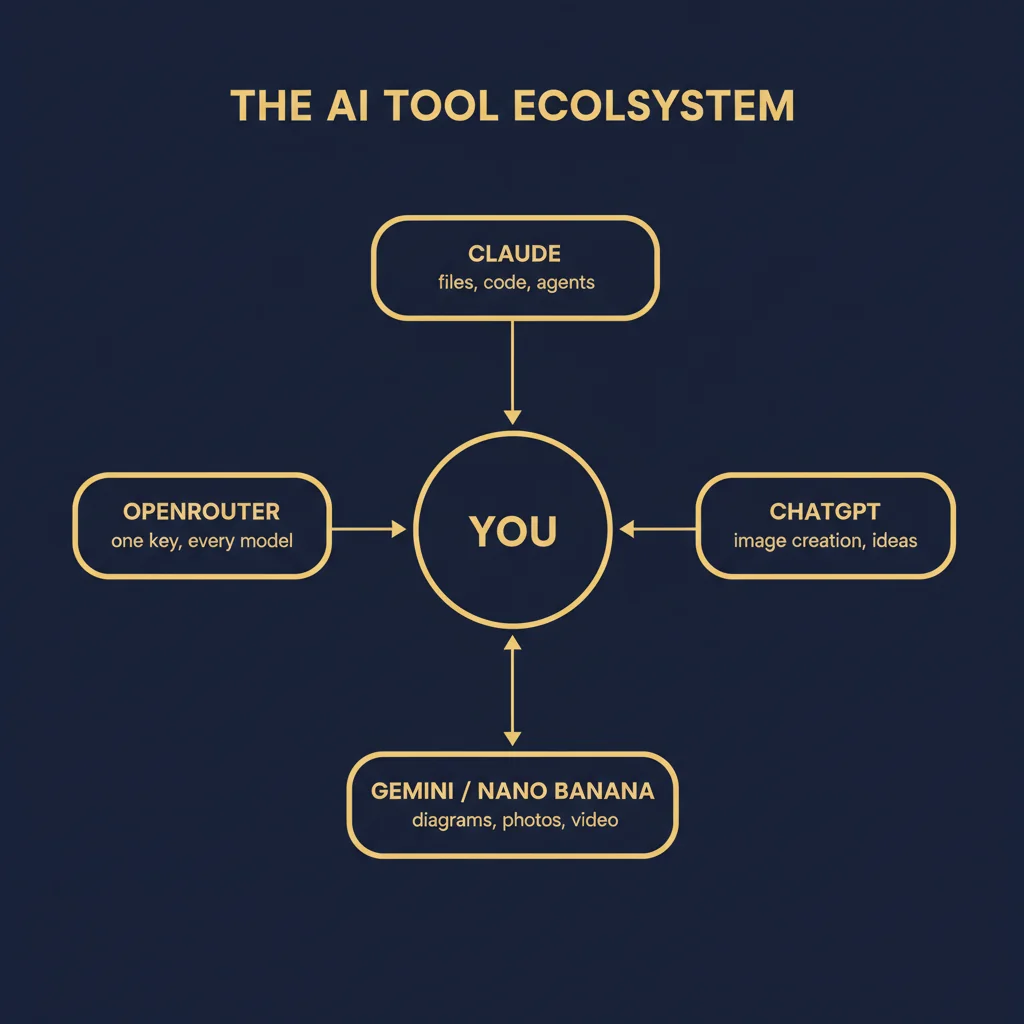
The world has changed faster in the last two years than in the previous twenty. Tools that did not exist before 2023 now write code, draft letters, generate photographs, voice-clone your loved ones, summarise legal documents in seconds, and run autonomously while you sleep. Most people you know are using a fraction of what is now available, often the wrong fraction, often unsafely.
This guide is the connected map. It walks you through every tool worth using, in the right order, with the right warnings, ending in cyber security, operating systems, and the new robotic-ecological frontier where AI meets stewardship of the earth. The framing is the Sikh framing: act, do not merely consume; build, do not merely watch; protect what is sacred, including your data, your community, and the living planet.
Move through the modules in order if you are new. Skip ahead if you are not. Your progress is saved as you go.
Going deeper
To understand how digital tools work for our mission, think of a computer not as a brain, but as a very fast filing clerk who follows instructions literally. When we talk about building a digital map for our community, we are essentially creating a set of clear recipes that tell the computer exactly how to organize and display our history. For example, using an Artificial Intelligence tool like ChatGPT is similar to having a conversation with a library assistant who has read every book ever written but sometimes forgets which shelf they came from. Your job is to give this assistant a specific goal, such as asking it to summarize a long historical text into three simple bullet points for a social media post. By understanding that these tools are just helpers waiting for clear directions, you can stop feeling overwhelmed by the technology and start using it as a digital pen.
What this makes possible
Within an hour you will know more than most users learn in a year, because the dots will be connected. You will not just know what each tool is, you will know how each one fits the others.
Connection to nature, science & math
Technology acts as a modern cartography system similar to how early explorers used the stars to navigate the globe. Just as a compass translates magnetic fields into a readable direction, these tools translate complex data into actionable service. This guide provides the coordinates for navigating the digital landscape with precision.
First steps to try today
- 1. Open a free account on a tool like Claude or ChatGPT using your existing email address.
- 2. Type a specific request to summarize one paragraph of a Gurbani translation into language a five year old would understand.
- 3. Create a dedicated folder on your computer desktop named 'Sikhi Projects' to keep all your digital practice files in one place.
- 4. Write down one repetitive task you do every week, such as formatting an email newsletter, to tackle in the next lesson.
Common mistakes to avoid
- Assuming the computer understands your unspoken intentions or context without you typing it out.
- Trying to learn complex coding languages before simply mastering how to give clear instructions to existing tools.
- Copying and pasting results from digital assistants without checking if the facts match our traditional sources.
- Waiting until you feel like an expert before trying to use a new tool for a small task.
progress saves automatically